Screen Printing
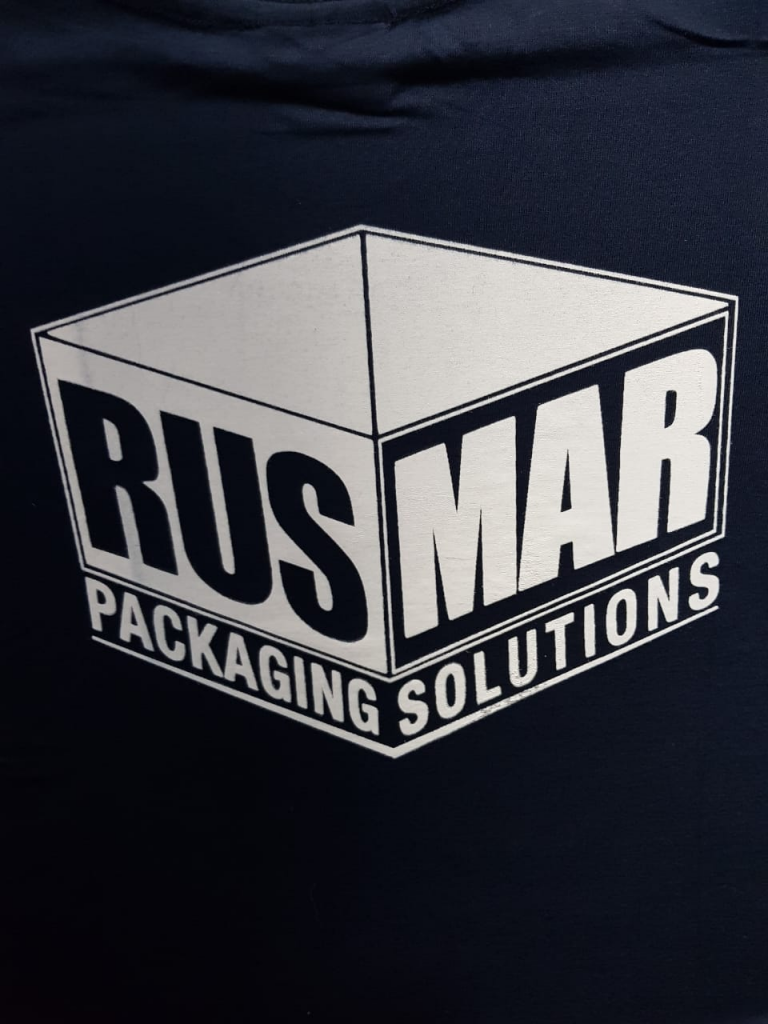
Screen printing is a very old process where one or more screens are prepared containing a template of the text or image one wishes to transfer. A tightly stretched fine mesh holds the template in place over a wooden or metal frame.
The ink is forced through the uncovered areas of the mesh, and into the garment, by means of a squeegee. Various surfaces may be printed in this way, depending on the kind of ink used.
The image to the left shows a screen printed logo on a navy blue t-shirt. White ink is typically quite thick and because of that, notoriously hard to print.
Screen printing originated in China, where silk was used as a screen. Although screens are now made from more modern polyester materials, to this day one will often hear the process refered to as to “silk screen printing“.
Screen printing can be done in any colour, depending only on availability of the appropriate ink. Typically a screen will be produced for each colour in the design, which usually results in multi coloured designs being more expensive. The distinct colours in a print are called “spot” colours.
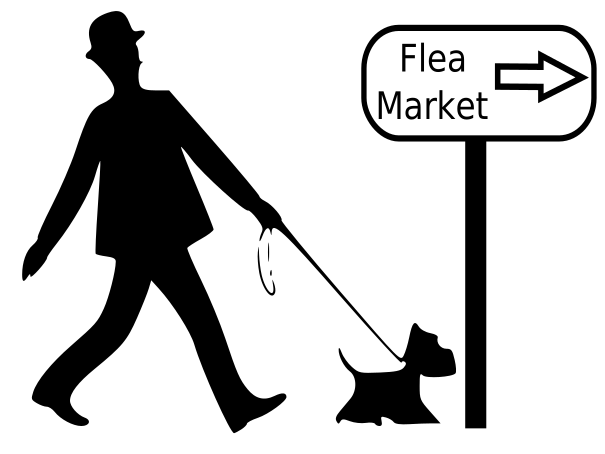
Even if a single spot colour is used for the printed screen, this can still be super effective. The same screen can be used to print a variety of ink and t-shirt colour combinations.
Often, a t-shirt design will consist of just text. Slogans on their own can make a good impression, as long as the word count can be kept within a reasonable limit.
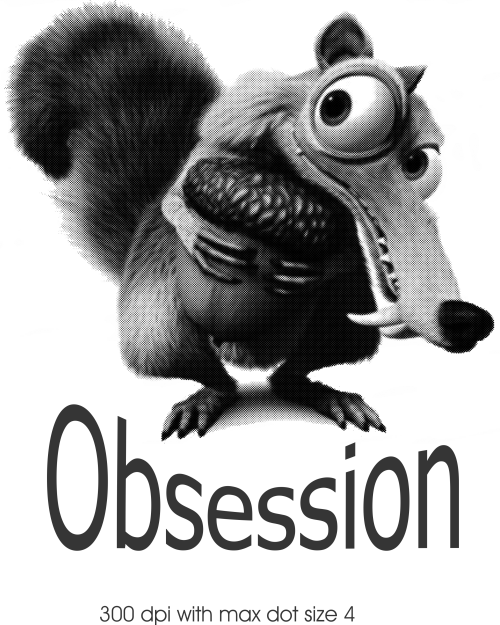
Although the screen print method does not directly support gradiated colours, or gray scales, a graded effect may be simulated using halftones. A halftone image such as the one shown to the right, consists of fine dots on a uniform background, which tricks the eye into interpreting the varying density of the dots as shades of the dot colour.

On the left is a zoomed in section of the image showing the individual dots which make up the image.
Half tones effects are not easily reproduced using some of the other printing methods such as vinyl transfers, due to the way vinyl is first cut and then weeded to produce a transfer. It would take very long to cut, and be impossible to weed the necessary fine detail.
On the other hand, vinyl is available in a large variety of colours and textures, and screen printing cannot match the range of effects available in vinyl.
Using advanced colour separations, it is possible for the screen printing method to produce full colour prints, by combining multiple halftone coloured screens overlayed in a single image.
0 Comments